
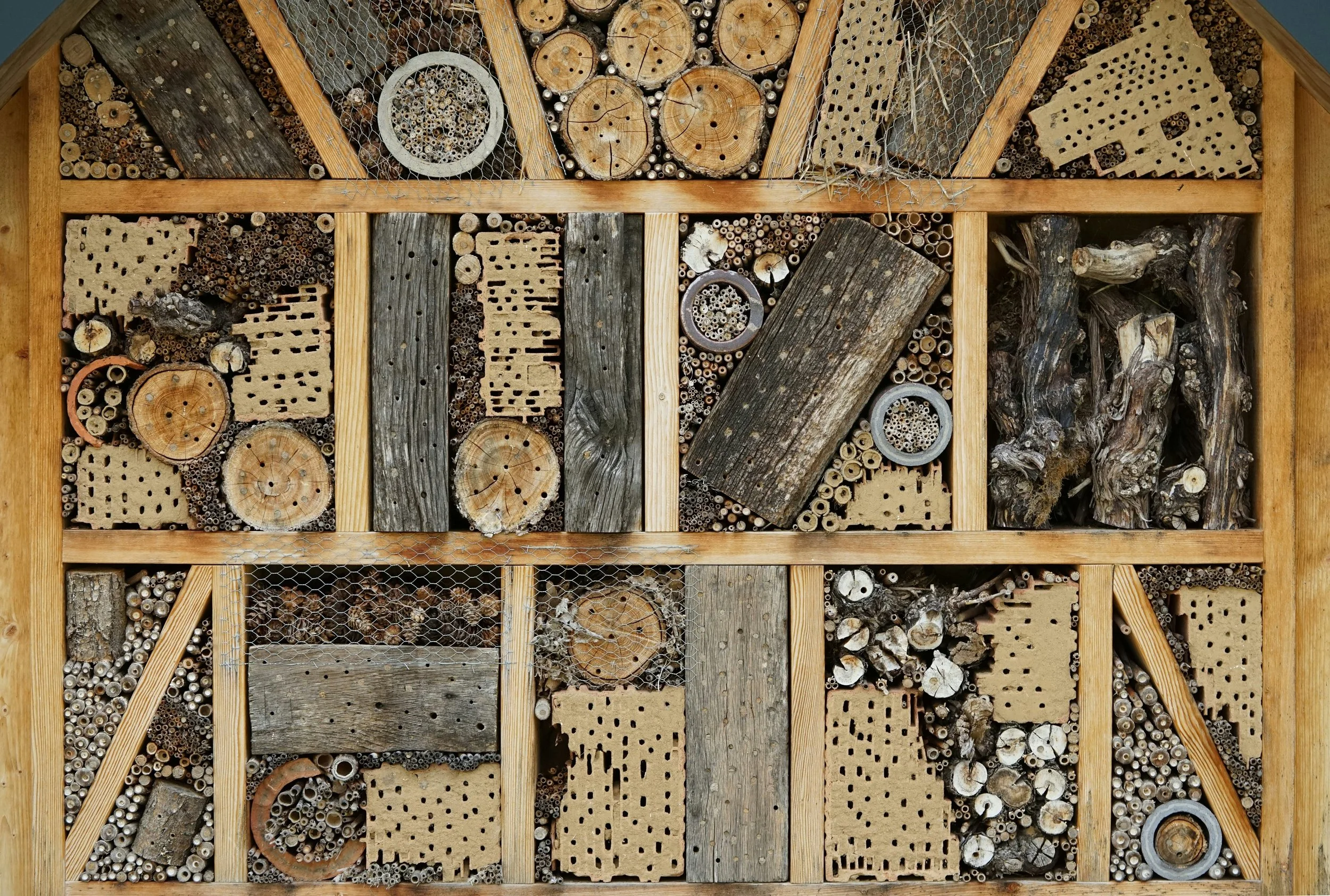
Making ‘Room(s)’ for Nature in Central London
Read how The Crown Estate's is helping wildlife flourish in the heart of bustling London
The challenge
In dense city centers such as London’s West End, space for nature is limited, reducing opportunities to support wildlife, build climate resilience and connect fragmented habitats.
At the Crown Estate, Rex House, 4–12 Regent Street, the seventh-floor terrace offered a clear opportunity to make room for nature and support urban wildlife. Existing planting was in poor condition, with nine planters and four troughs reliant on weekly hand watering.
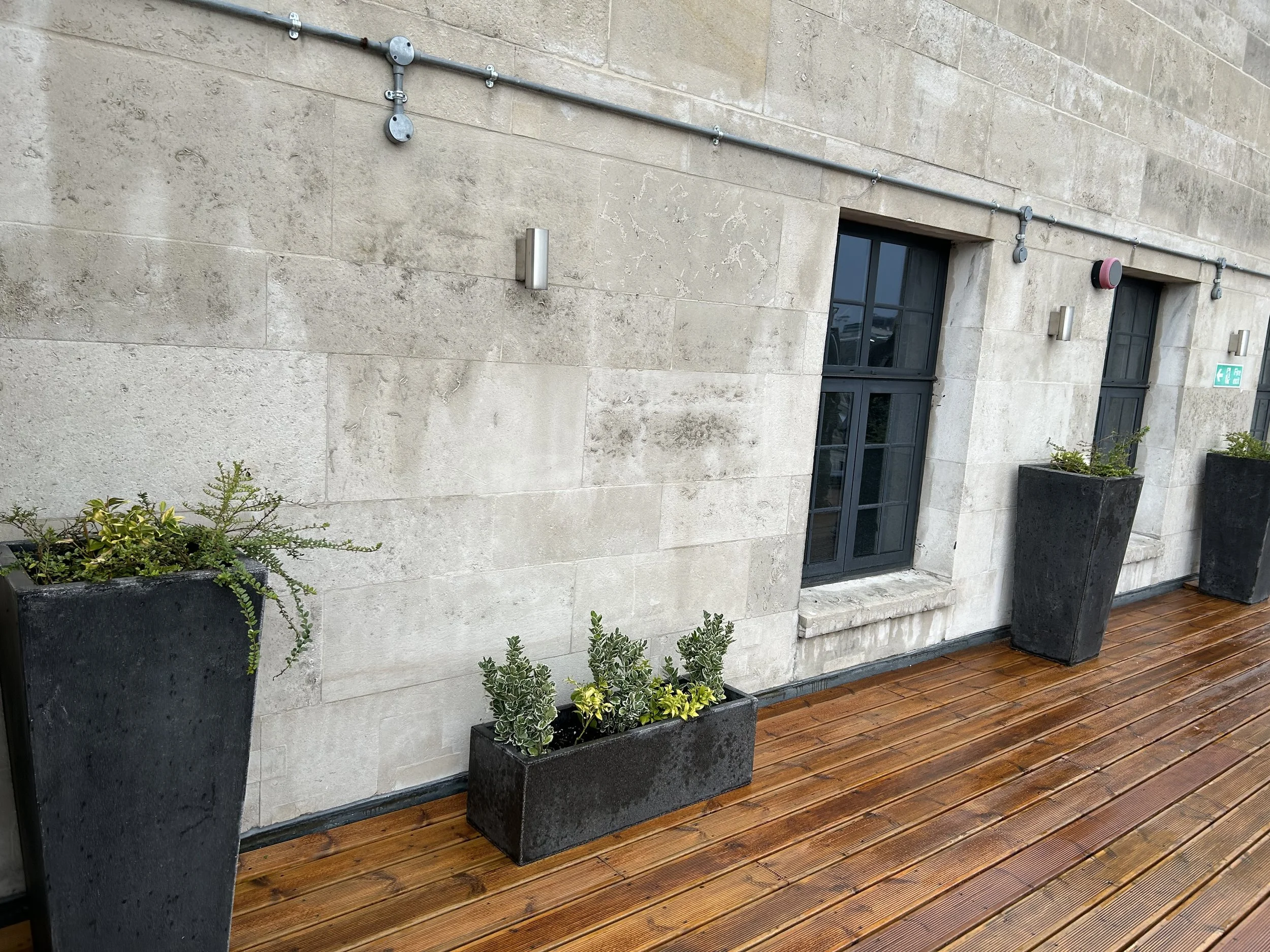
Before: The existing planters on Rex House's seventh-floor terrace were in poor condition and in need of renewal
The Solution
The Crown Estate took a creative, practical approach to making better use of the seventh-floor terrace for nature.
Following a feasibility assessment, the design focused on increasing green infrastructure through biodiverse planting, pocket habitats and features for pollinators and invertebrates.
Key interventions included:
Installation of 24 new exterior planters
Introduction of a timed irrigation system to improve water efficiency and reduce maintenance requirements
Creation of approximately 288m² of biodiverse planting
Installation of four habitat features (bug hotels) to support pollinators and other invertebrates
Use of pocket habitats, trough planters and habitat features to maximise value within a constrained urban space
Planting was selected to provide year-round interest, support biodiversity and improve climate resilience. Species included:
Lavender (Lavandula Hidcote)
Salvia (Salvia nemorosa 'Caradonna')
Verbena (Verbena bonariensis 'Lollipop')
Miscanthus grasses (Yakushima Dwarf and Sinensis Adagio)
Sarcococca (Winter Gem)
Hellebores in varying colours
Spring flowering bulbs
A management and maintenance plan was also developed to support the terrace’s long-term success
We'd love to hear your feedback, as well as any relevant research, insights, or lessons learned that could help inform our approach.
Member:
The Crown Estate
Green Infrastructure Type:
Planters and Green Roofs
Ecosystem Services provided:
Biodiversity Net Gain, Ecological Connectivity,
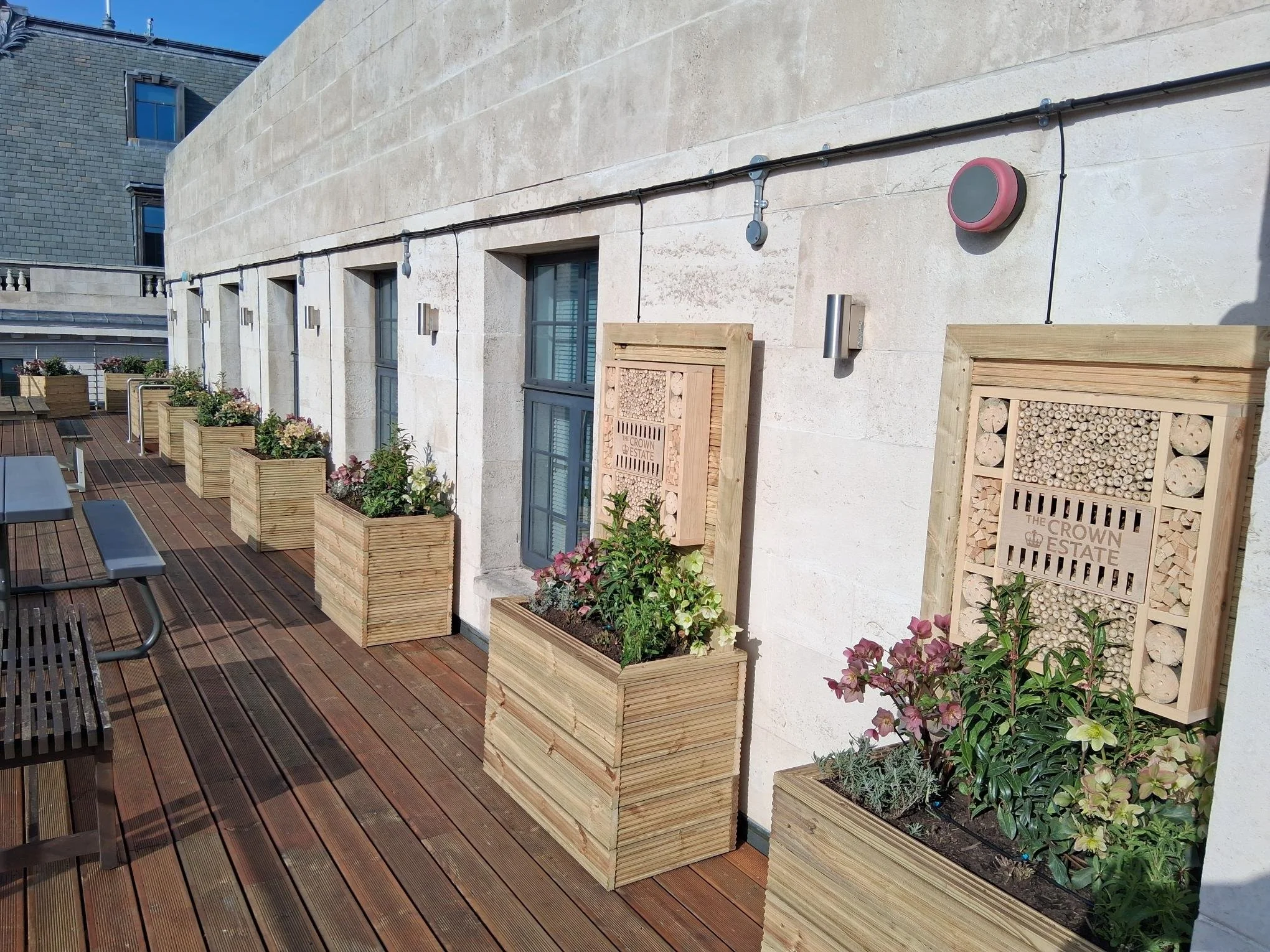
Showing The Crown Estate’s new bug hotels and habitat features, designed to encourage biodiversity
The Impact
By transforming an underused rooftop into a biodiverse terrace garden, the Crown Estate showed how thoughtful interventions can ‘make room for nature’ and biodiversity in the heart of London. The scheme strengthens ecological connectivity, and demonstrates leadership in practical urban greening.
A few other things it delivers include:
Connectivity: Creates vital habitat links that support wildlife movement across the wider landscape, while also providing accessible green spaces for people to enjoy and connect with nature.
Climate Resilience: Incorporates climate-resilient planting designed to thrive in changing conditions.
Biodiversity: Provides diverse planting and habitat features that support pollinators and other wildlife.
Operational Benefits: Automated irrigation reduces maintenance requirements while improving plant health and longevity.
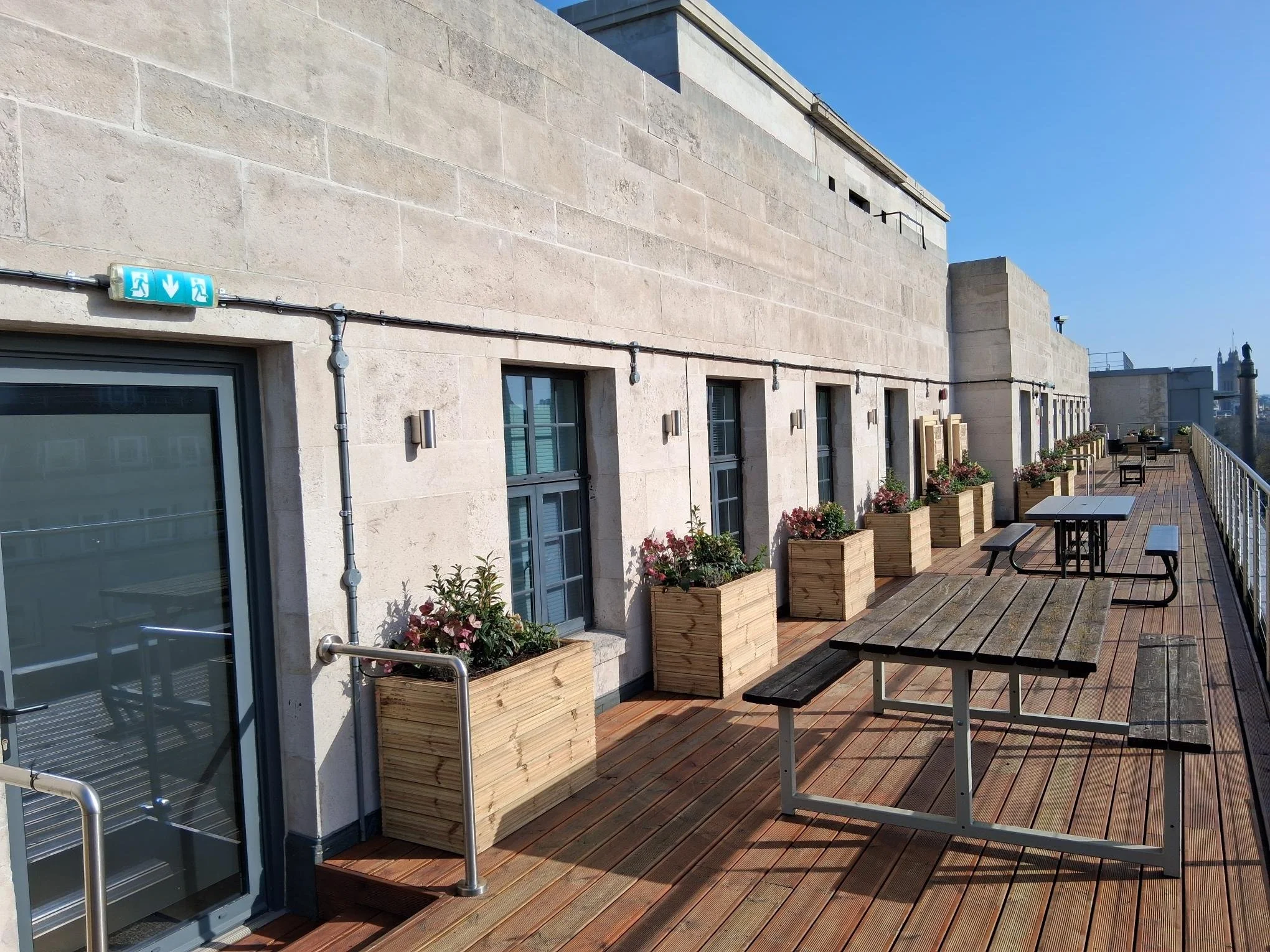
Showing the site after the renovations, featuring climate-resilient planting and seating areas that create inviting spaces for people to enjoy being outdoors