There is evidence to indicate that planters are successful in increasing pollinators however, the evidence base to support this is still limited. To bridge this research gap, Hannah Bonham (BSc Geography) explores ‘how effective are street planters in promoting pollinators in London?’
Shaftesbury partners with Project Zero to Make Carnaby the Most Ocean-Friendly Destination in London.
On Saturday 20th and Sunday 21st July, Shaftesbury celebrated London officially becoming the first National Park City in the world. To celebrate this launch, Shaftesbury partnered with Open Roofs, an initiative run by Open House and part of the Mayor’s National Park City Festival.
Imperial London Hotels and Kimpton Fitzroy London have generously sponsored the installation of insect hotels to increase the biodiversity in Russell Square Gardens in alignment with the Wild West End approach.
The colourful transformation of Wigmore Place through doorstep planting .
The four garden squares of The Portman Estate contribute significantly to the biodiversity of the West End and have huge benefits for local wildlife, including a long-standing resident rabbit, Charlie.
HRH Prince of Wales plants a Quercus Palustris (Pin Oak)as part of the St. James’s Palace public realm project.
To celebrate the Department for Environment, Food and Rural Affairs’ (Defra) annual Bees’ Needs Week campaign, Carnaby helped to raise awareness of the importance of pollinators and what people can do all over the country to help them thrive.
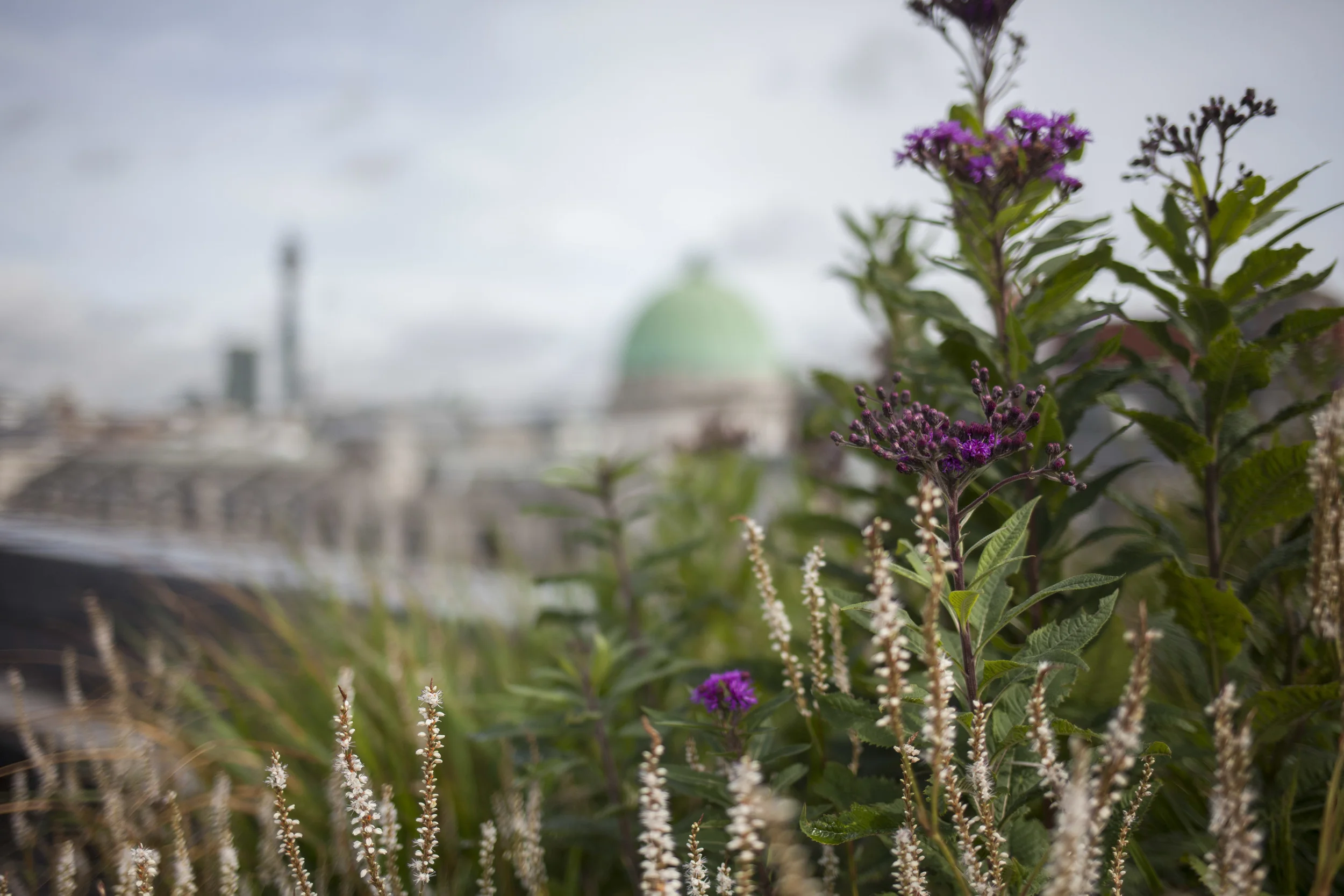
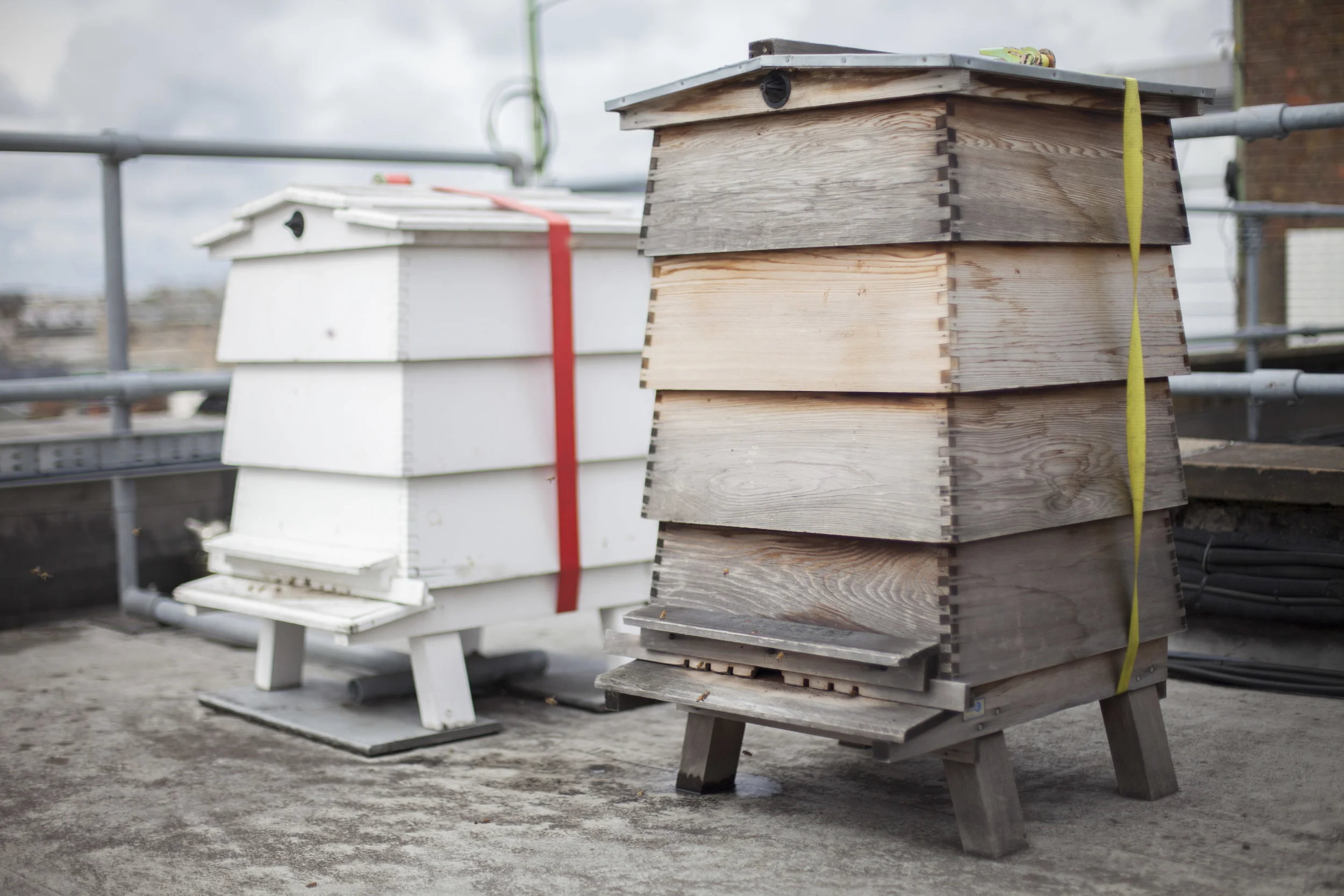
For nearly a decade, above the hustle and bustle of Broadwick Street, a wild rooftop garden has provided a home to bee hives at Hearst Magazines’ offices in Carnaby…
Seasonal planting in window boxes, planters and hanging baskets is providing an attractive display and encouraging pollinators back into Carnaby.
The Crown Estate’s new mixed use development at St James’s Market has 760 square metres of green space, creating valuable new habitat for wildlife.
Greenery and soft landscaping provides children and local wildlife with valuable space and brings nature closer to the classroom.
Seasonal planting in window boxes, planters and hanging baskets is providing an attractive display and encouraging pollinators back into Carnaby.
With its shared central courtyard and meadow-style roofs, this new residential development aims to act as a regeneration catalyst.
A new green roof at the bottom of Regent Street provides resources for birds, bats and a variety of insects, and creates a major stepping-stone for wildlife.
New green terraces at 10 New Burlington Street give tenants the opportunity to connect with nature throughout the day.
Shaftesbury have a lovely outside space at their head office in Carnaby Village, in fact it won the eFIG Silver Leaf award for 2015.
Most of Shaftesbury's buildings are old and many are listed, so it's exciting to create something from scratch and to add some green amongst the grey.
Howard de Walden's new green roof in Queen Anne Street will provide a vibrant display for residents, as well as a home for insects and wildlife.
The Crown Estate Regent Street honeybee programme helps enhance the biodiversity of this area, with locally produced honey a welcome by-product.