
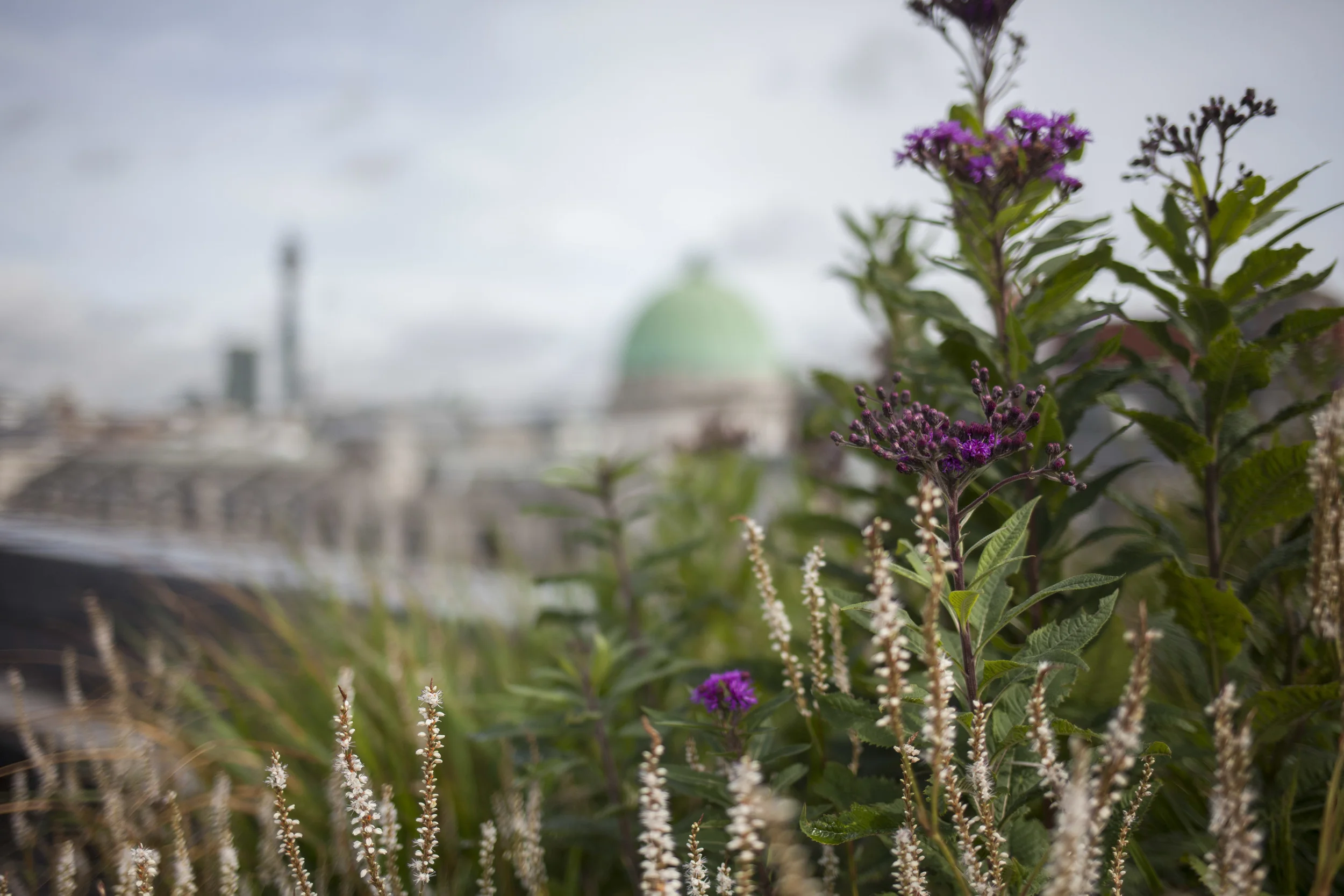
Space to connect with nature
The new green terraces at 10 New Burlington Street help enhance biodiversity as well as provide accessible green spaces, ensuring those who live and work in the building have the opportunity to be closer to nature throughout the day.
On the ground floor, beech trees have been planted and a green wall trellis has been installed to create a natural space where the building's occupants can relax with a coffee, or hold informal meetings. Deciduous creepers create a cascading foliage curtain that encapsulates the spaces and add interest as they change colour with the seasons.
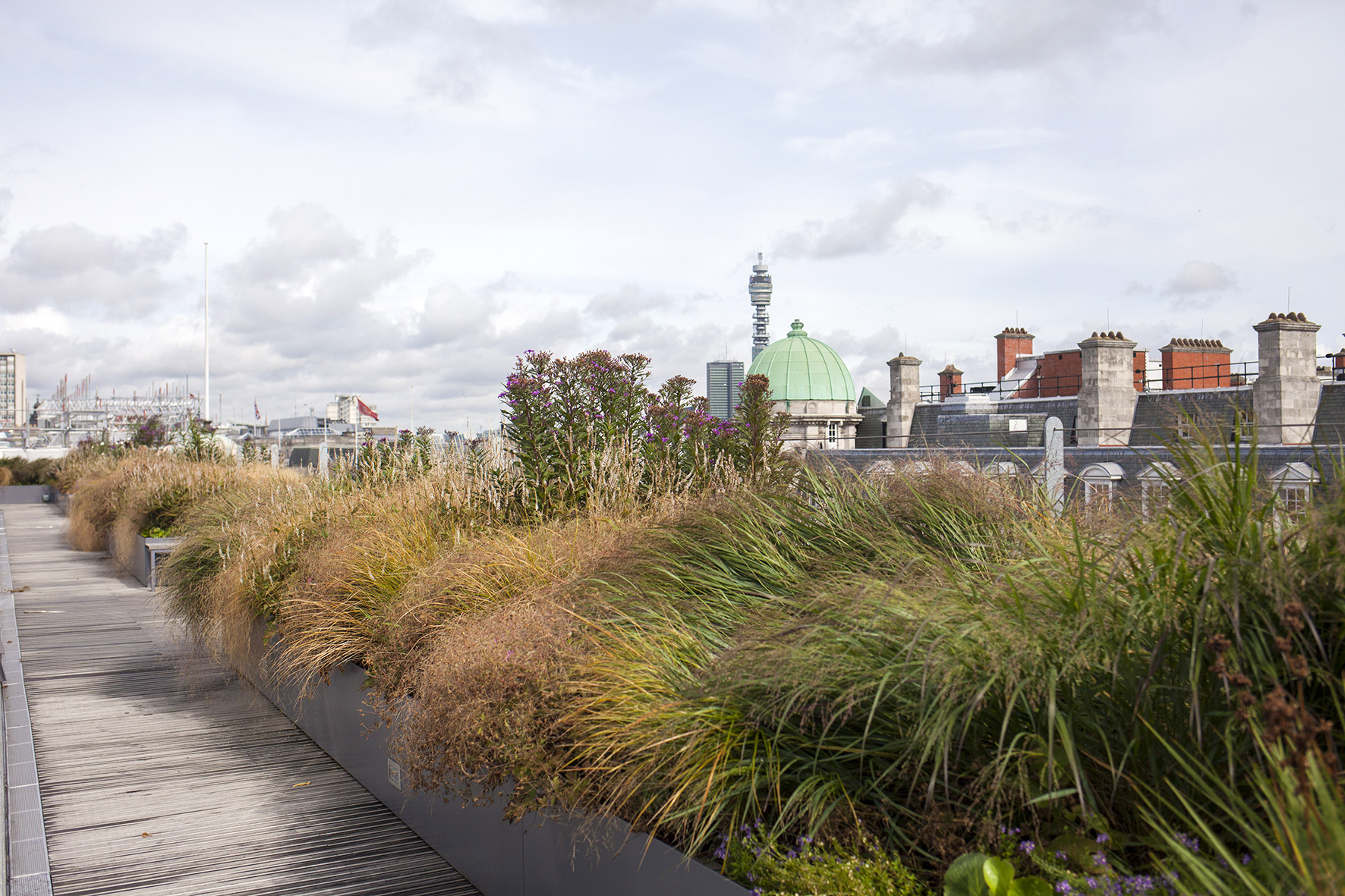
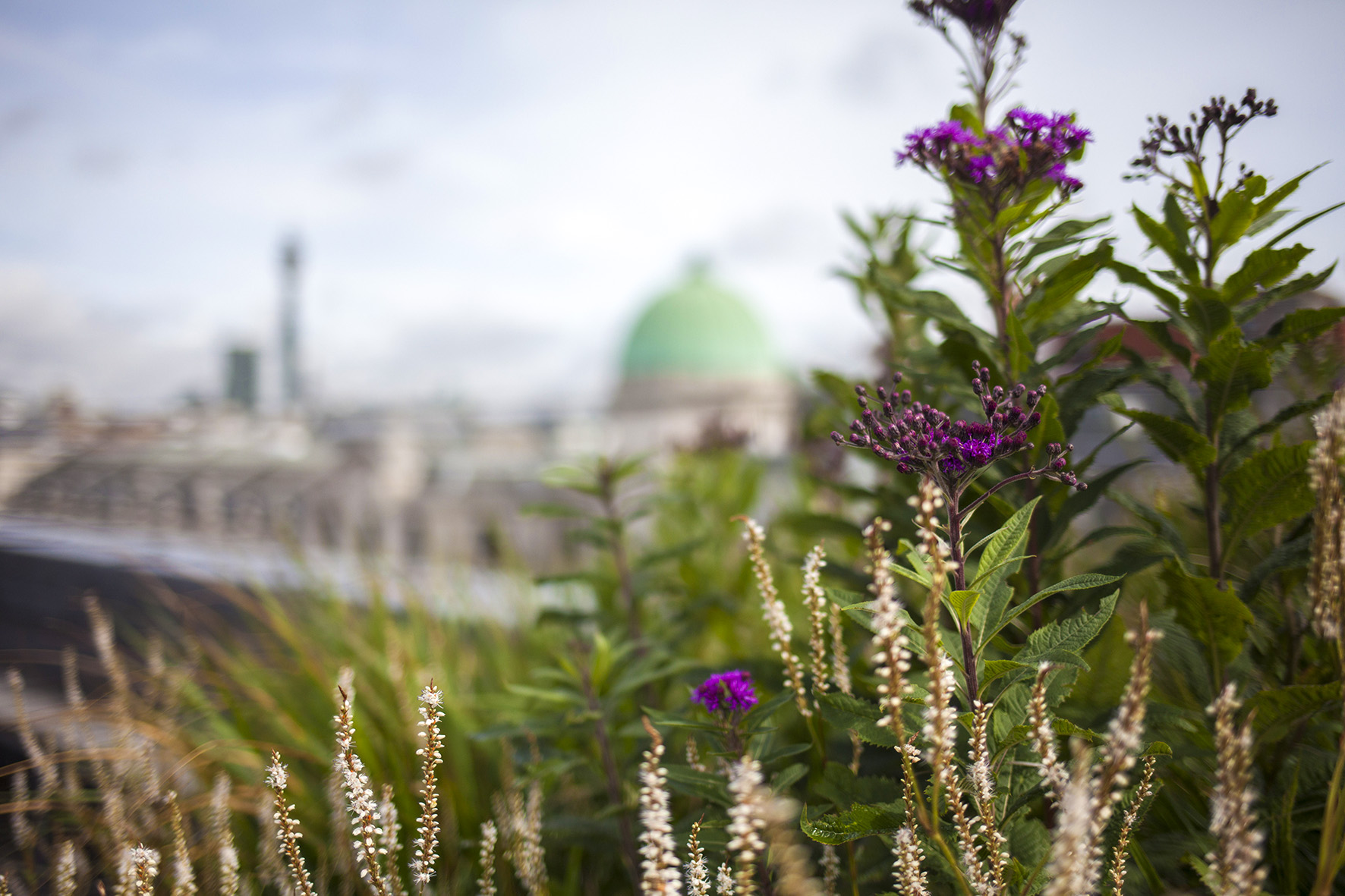
On the fifth and sixth floors, the green roof terraces provide ecologically valuable environments that are accessible to the building's office workers, giving them access to nature throughout the day, as well as providing an attractive backdrop for meetings. The plant varieties selected provide a rich and varied habitat, with flowering plants to attract butterflies and bees during the day, and moths and bats at night.
Quick Facts
Estate:
The Crown Estate
Location:
10 New Burlington Street
Features:
Green Wall
Planters
Collaborators:
J & L Gibbons Landscape Architects
AHMM Architects
Read how The Crown Estate used planting to create a greener, more welcoming seating area
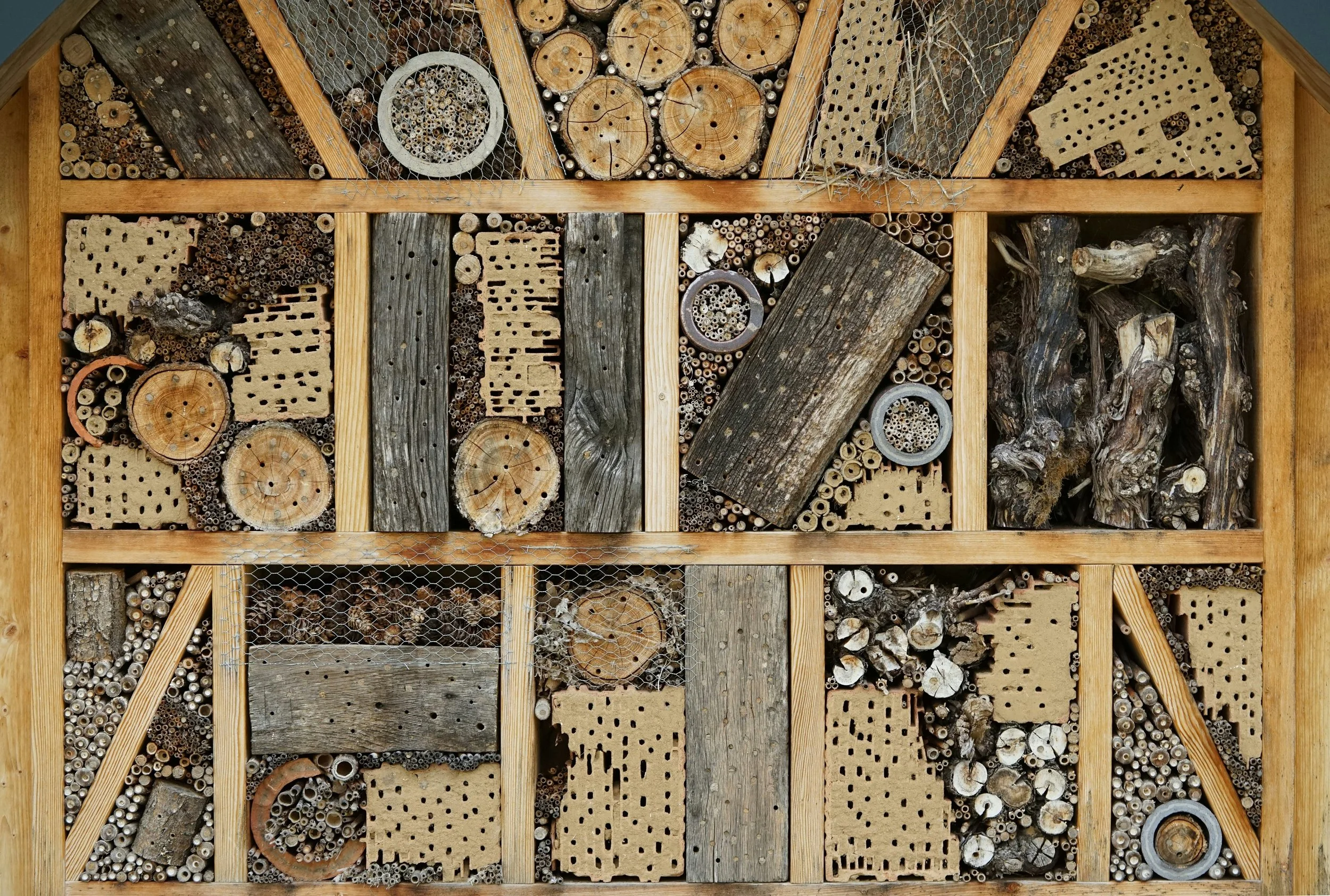
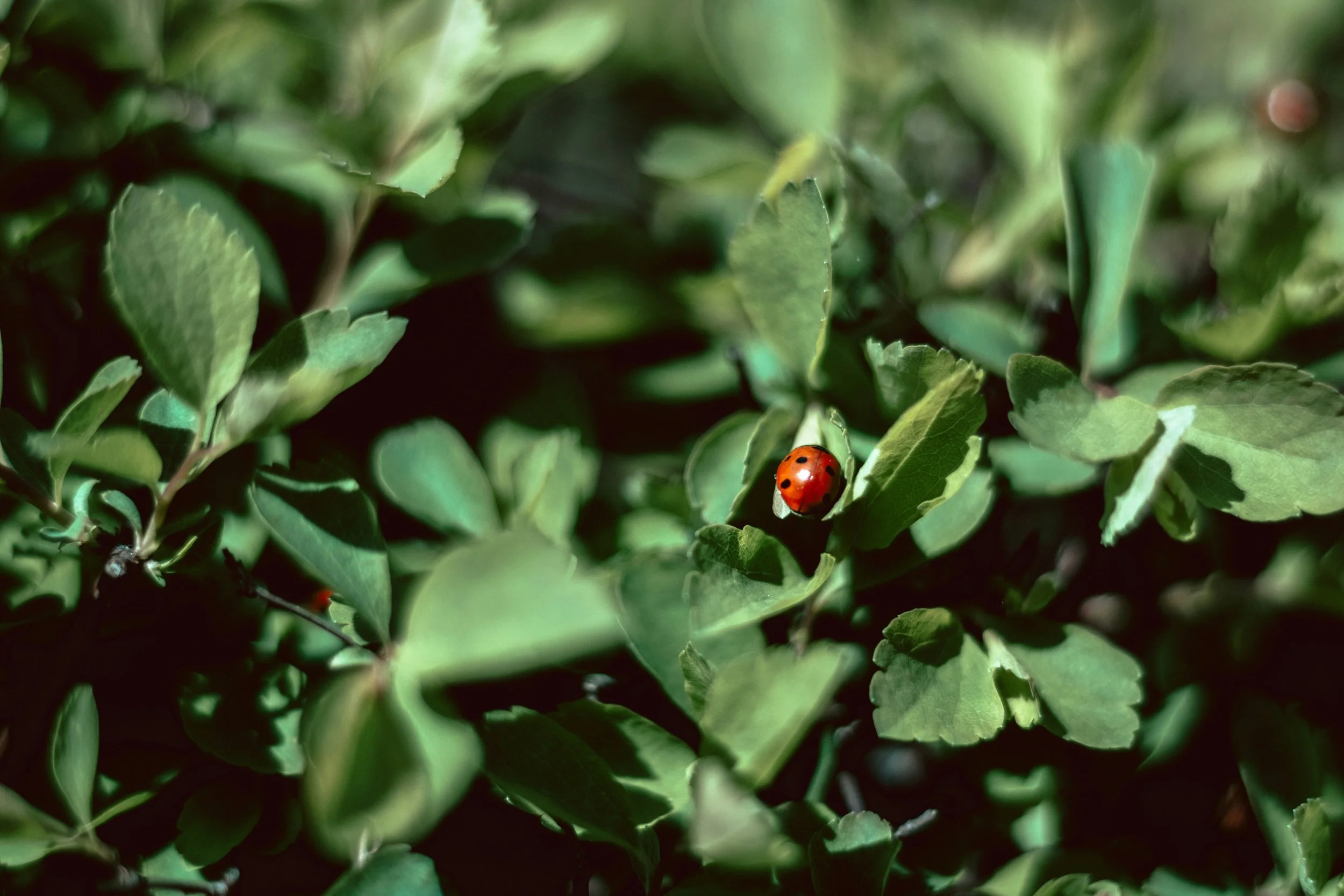
Read how The Crown Estate's is helping wildlife flourish in the heart of bustling London
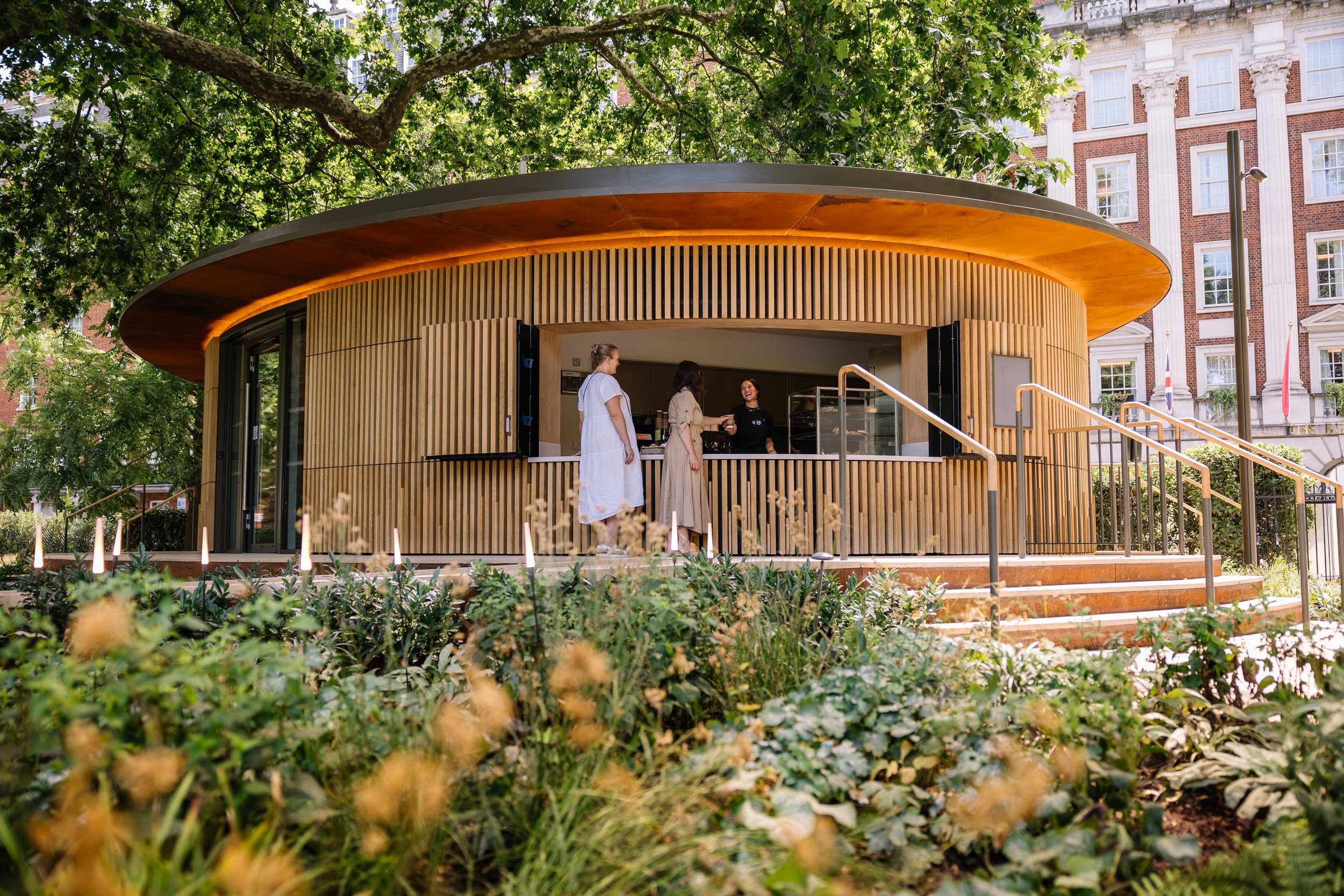
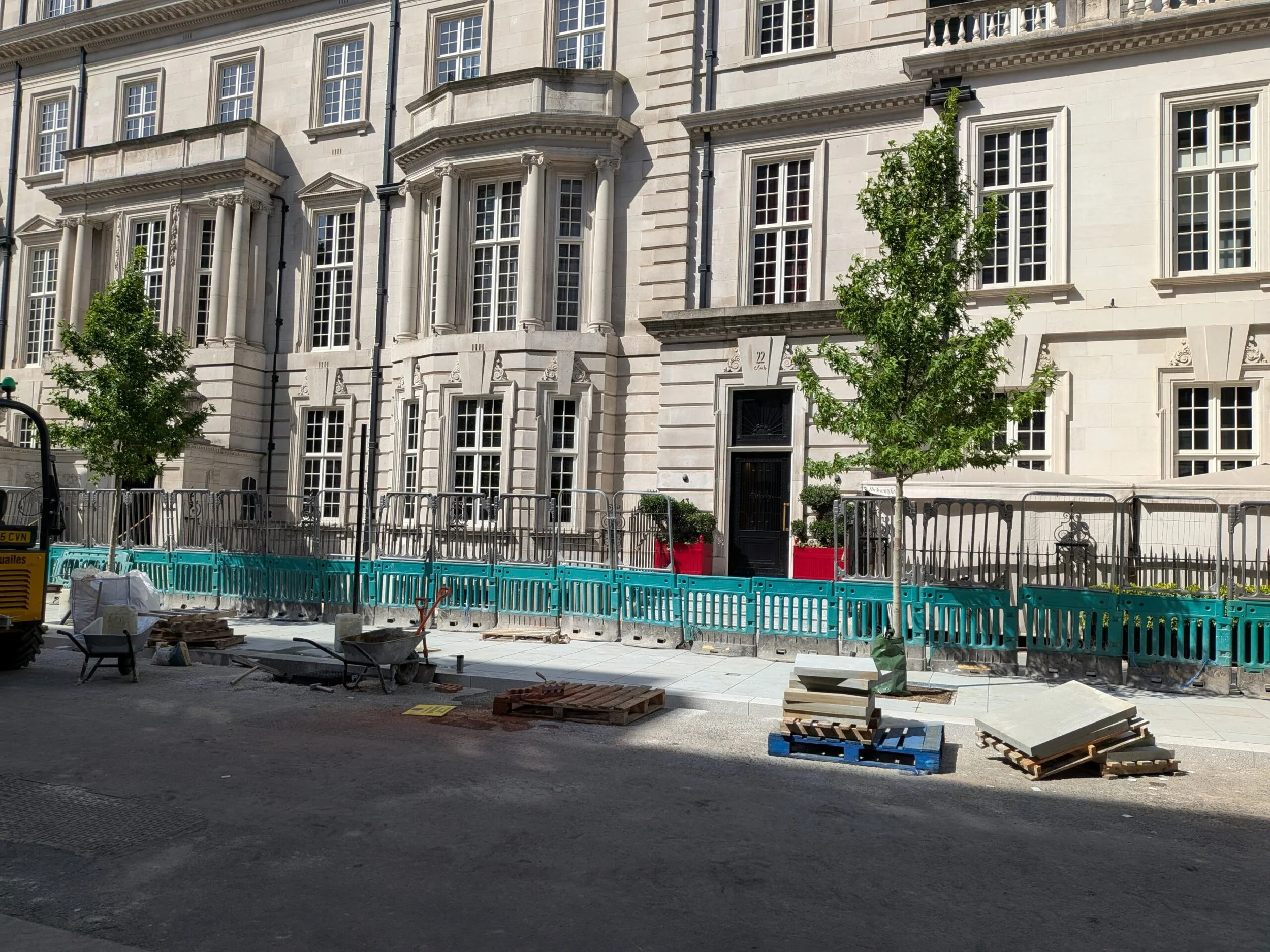
Read how street trees and sustainable drainage are helping create a more climate-resilient, nature-connected route through Mayfair
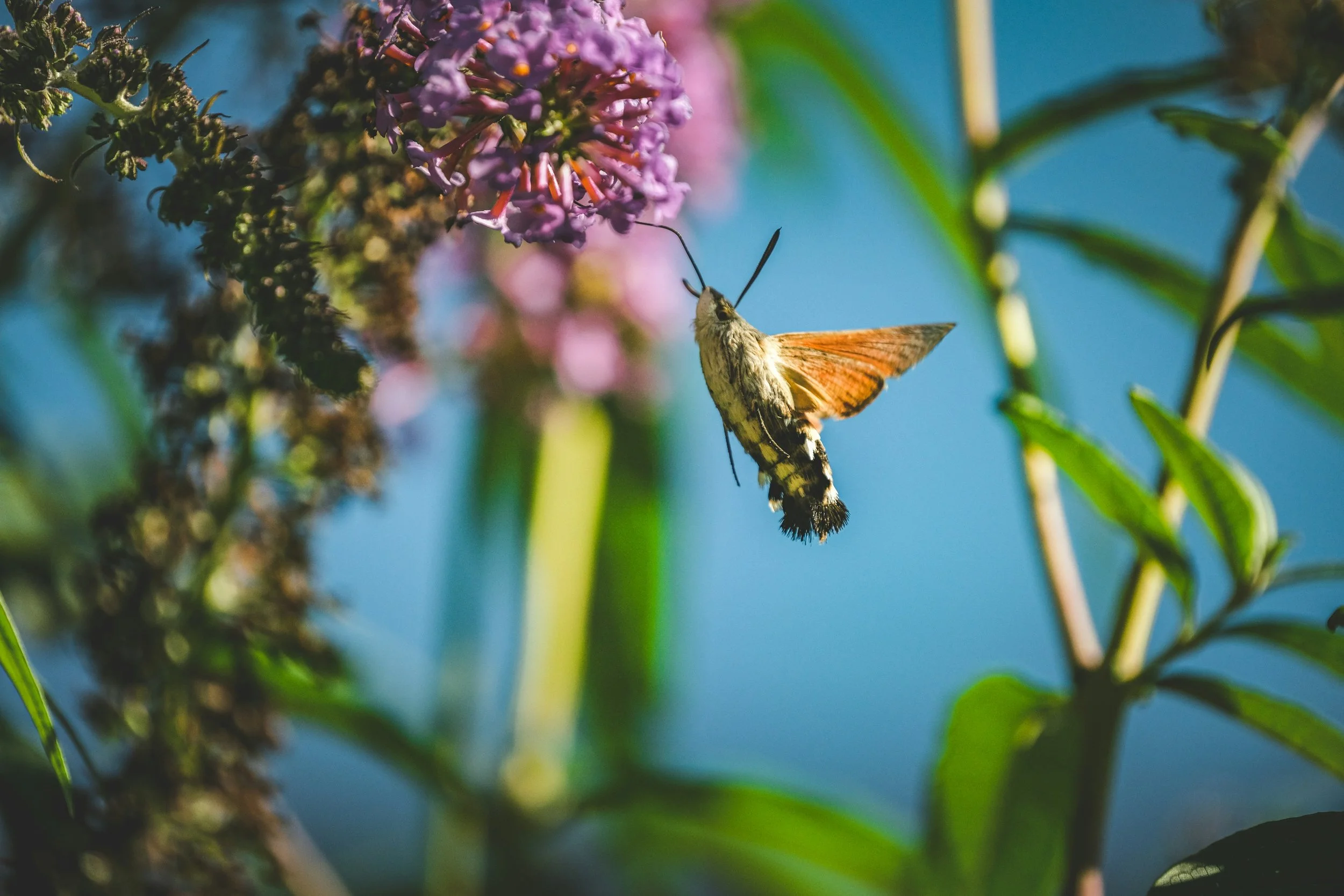
Read how Howard de Walden Estate transformed a rooftop terrace into a sanctuary for people and planet
Whether it’s BNG, UGF or TCFD… measuring nature and biodiversity is no walk in the park. Read about how Wild West End has been exploring ways to recognise the diverse benefits of nature more holistically.
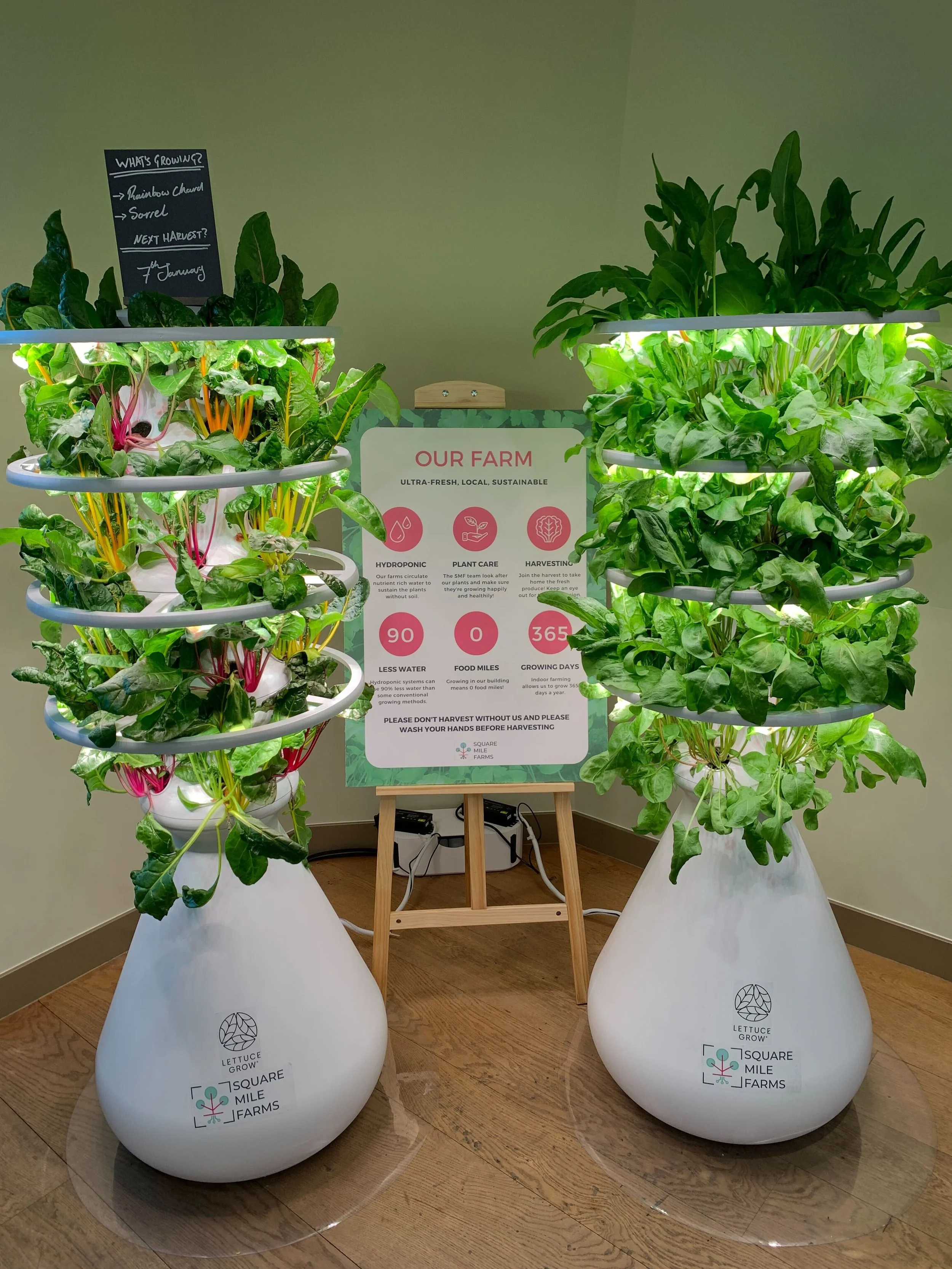
The Crown Estate partnered with Square Mile Farms to set up urban farm stands at Air Street and 12 Charles II Street, and held workshops at its offices. The project promoted edible plants at work, raised awareness of sustainable food, and encouraged simple actions at home.

Grosvenor Square is undergoing a multi-million-pound transformation due to be completed in Summer 2026. The transformation is set to create a biodiverse-rich park with multiple green infrastructure types, designed to reconnect people and nature.

At the junction of Kendal Street and Porchester Place, 12 metres of planters were added with pollinator-friendly plants. The adjacent wall was later painted with a floral mural by a local artist, increasing the vibrancy of the space year-round.

Office building 170 Piccadilly offers a new landscaped terrace that brings nature to the heart of the building. Carefully selected planting and detailed hard landscaping create sheltered green spaces for work and relaxation, improving the customer experience while supporting biodiversity through thoughtful species selection and ongoing maintenance.

Since 2020, over 70 new trees have been planted across the Portman Estate in collaboration with Westminster City Council. The initiative enhances canopy cover, improves air quality, and contributes to The Queen’s Green Canopy, strengthening community wellbeing and biodiversity in Marylebone and Fitzrovia.

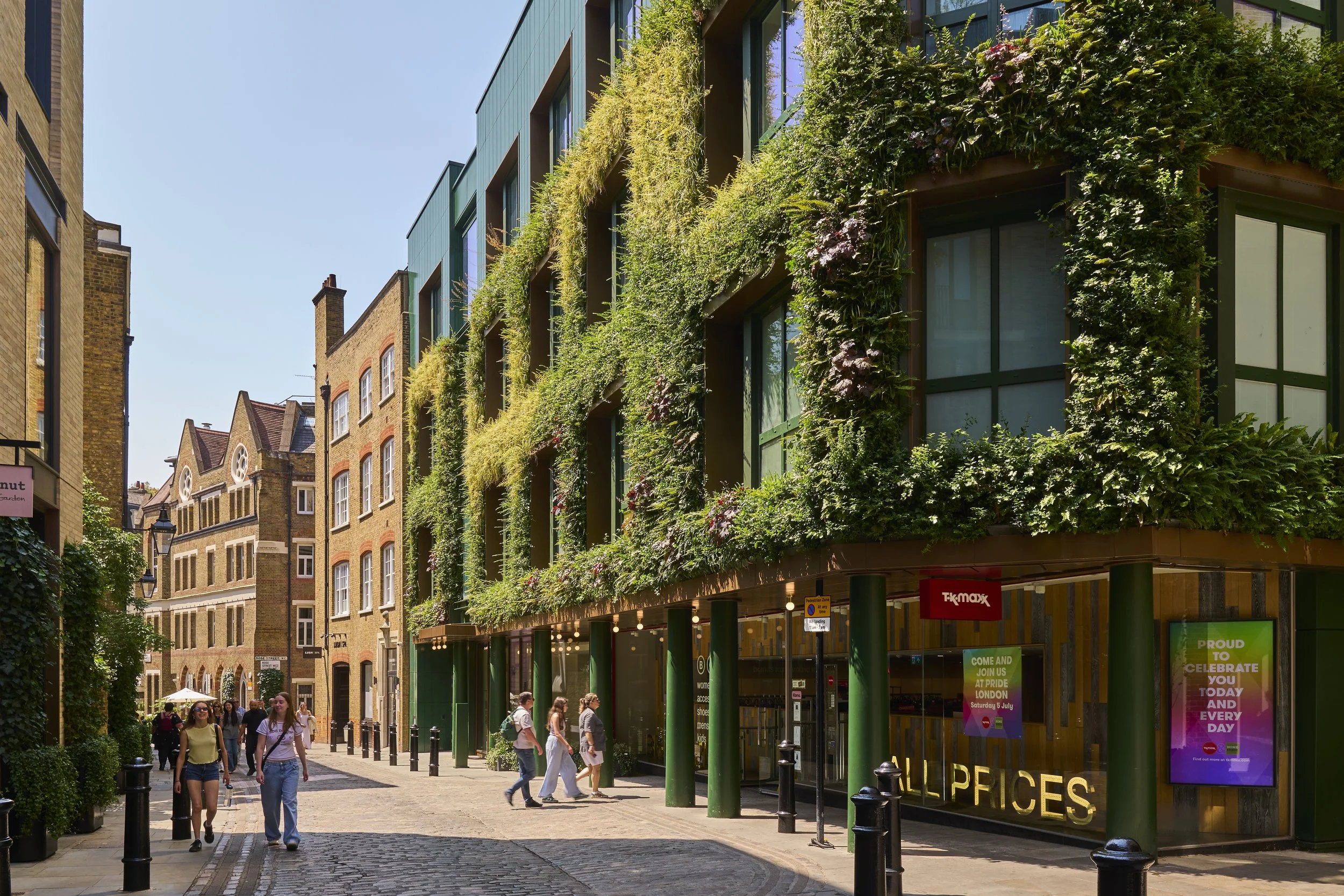
Shaftesbury Capital has installed a 140m² living wall on Floral Street, Covent Garden, enhancing urban biodiversity and wellbeing. Featuring a mix of native and flowering plants, the wall supports pollinators, improves air quality, and creates a calming green space, reflecting both the Wild West End partnership principles and Shaftesbury Capital’s broader sustainability goals.
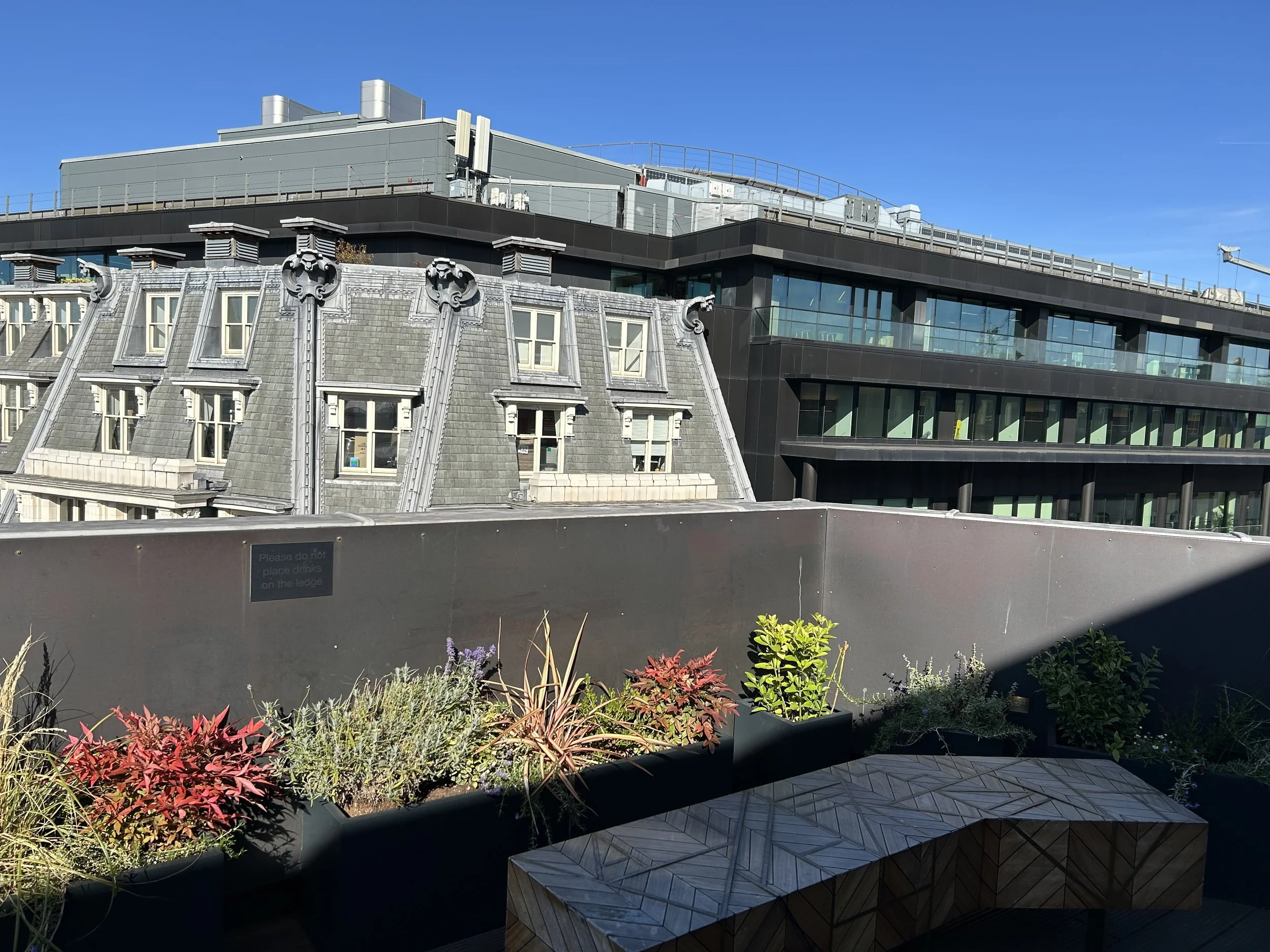
At 7 Air Street in London, a biodiverse planting scheme brings colour, fragrance, and texture to rooftop spaces and window alcoves. Designed to attract pollinators and enhance wellbeing, the project strengthens the connection between people and nature within an urban office environment.

Window Boxes are a key part of our villages and our greening story. The majority of our portfolio consists of buildings which sit on the public highway and many of our roofs are taken up with industrial plant, therefore we have had to think outside the box in ways to increase green installations.

The 2021 Earth Day theme is Restore our earth. Read about the Church Commissioners for England’s new reflection garden.

The 2021 Earth Day theme is Restore our earth. Find out how The Howard de Walden Estate has successfully integrated heritage features with low carbon, sustainable design and modern technology in their head office.

Find out more about a great collaboration between BID, landowner and estate to create a pocket park on a busy street for all to enjoy.

In July 2020, the Hyde Park Estate installed the Reflection Garden as a welcome area of green space for reflection at 25 Porchester Place London W2. In September 2020, the water feature was installed in the garden – both aesthetically pleasing for residents and an integral water source for biodiversity.

There is evidence to indicate that planters are successful in increasing pollinators however, the evidence base to support this is still limited. To bridge this research gap, Hannah Bonham (BSc Geography) explores ‘how effective are street planters in promoting pollinators in London?’

Shaftesbury partners with Project Zero to Make Carnaby the Most Ocean-Friendly Destination in London.

On Saturday 20th and Sunday 21st July, Shaftesbury celebrated London officially becoming the first National Park City in the world. To celebrate this launch, Shaftesbury partnered with Open Roofs, an initiative run by Open House and part of the Mayor’s National Park City Festival.


The four garden squares of The Portman Estate contribute significantly to the biodiversity of the West End and have huge benefits for local wildlife, including a long-standing resident rabbit, Charlie.

HRH Prince of Wales plants a Quercus Palustris (Pin Oak)as part of the St. James’s Palace public realm project.

For nearly a decade, above the hustle and bustle of Broadwick Street, a wild rooftop garden has provided a home to bee hives at Hearst Magazines’ offices in Carnaby…

Seasonal planting in window boxes, planters and hanging baskets is providing an attractive display and encouraging pollinators back into Carnaby.

The Crown Estate’s new mixed use development at St James’s Market has 760 square metres of green space, creating valuable new habitat for wildlife.

Greenery and soft landscaping provides children and local wildlife with valuable space and brings nature closer to the classroom.

Seasonal planting in window boxes, planters and hanging baskets is providing an attractive display and encouraging pollinators back into Carnaby.
To celebrate the Department for Environment, Food and Rural Affairs’ (Defra) annual Bees’ Needs Week campaign, Carnaby helped to raise awareness of the importance of pollinators and what people can do all over the country to help them thrive.